Gold ore refers to gold-bearing rock extracted from mines—whether by manual labor or mechanical means—which typically contains other metallic impurities. In its crystalline state at room temperature, gold forms a face-centered cubic lattice (belonging to the isometric crystal system); however, well-defined natural crystals are extremely rare. Elemental gold—commonly known simply as "gold"—is a highly sought-after precious metal and has historically served as a monetary metal. At room temperature, elemental gold is a solid characterized by high density, softness, luster, and resistance to corrosion. It is the most malleable of all metals and ranks second only to platinum in terms of ductility, making it one of the most ductile and malleable metals in existence.

 Applications

The gold ore grinding process is generally categorized into three types: coarse grinding (0–3 mm), fine grinding (20–400 mesh), and ultrafine grinding/deep processing (400–3250 mesh). The specific production process required varies based on the material, specific requirements, and intended application; therefore, a flexible approach is necessary. For further details, please consult our online customer service.
Large pieces of gold ore are crushed by a crusher until they reach a fineness (15mm–50mm) suitable for feeding into a grinding mill.
The crushed gold ore is transported via an elevator to a storage hopper, from which it is fed uniformly and at a controlled rate into the grinding chamber of the mill.
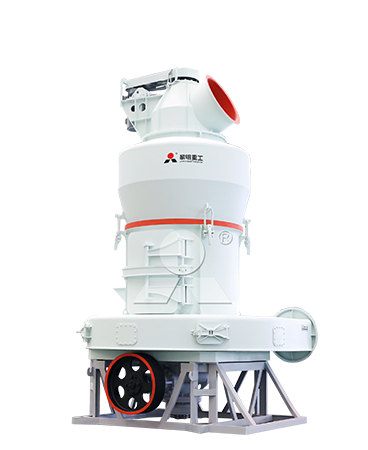
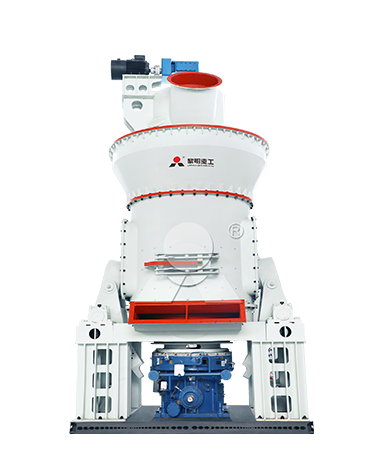
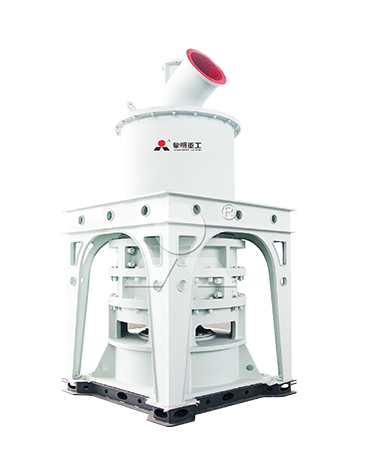
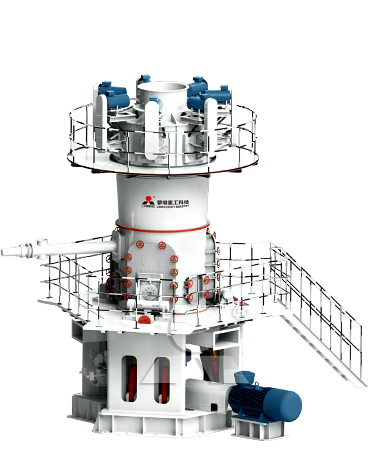
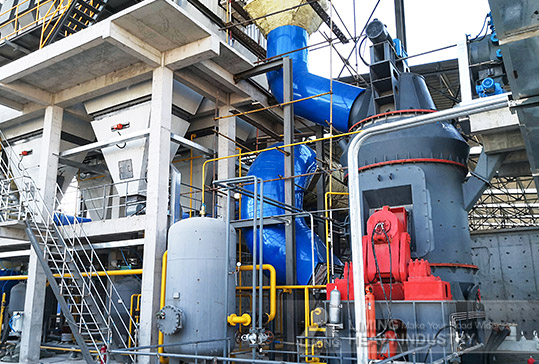
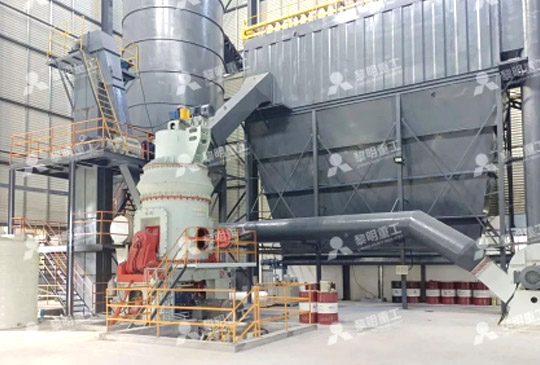
For fine powder production, equipment such as the LM Vertical Roller Mill, MTW European-style Mill, or 5X European-style Intelligent Mill is typically used. For ultra-fine powder, the LUM Ultrafine Vertical Roller Mill or MW Ring-Roller Ultrafine Mill is preferred, while for coarse powder, the CM European-style Coarse Powder Mill or a direct-flow centrifugal mill is used.
The ground material is processed through a classifier; particles that do not meet the required fineness are separated and returned to the main mill for further grinding.
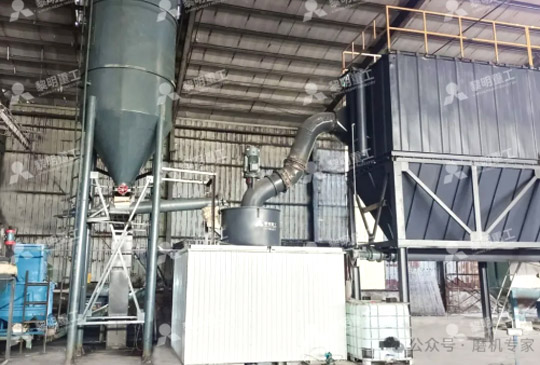
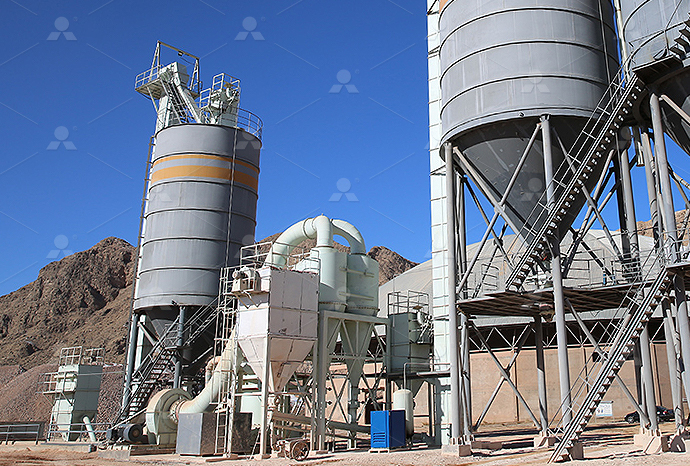
Particles that meet the required fineness are carried by an airflow through ducts into a dust collector, where they are separated and gathered. The collected finished powder is then transported from the discharge outlet to a finished-product silo, from where it is either loaded into bulk tanker trucks or processed through an automatic bagging machine.
Required equipment
RELATED CASE
 Request a quotation


Copyright © LIMING HEAVY INDUSTRY CO., LTD. All rights reserved Privacy Policy