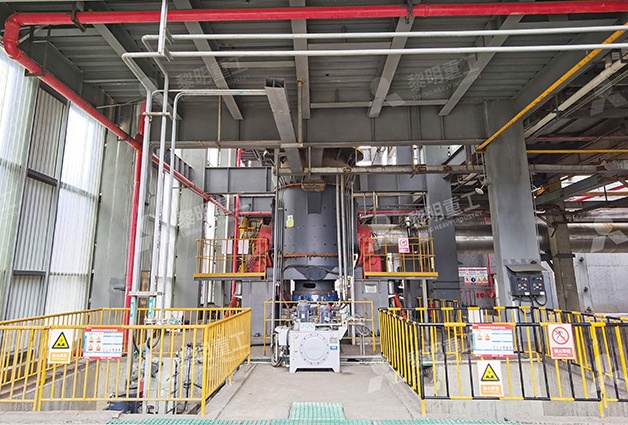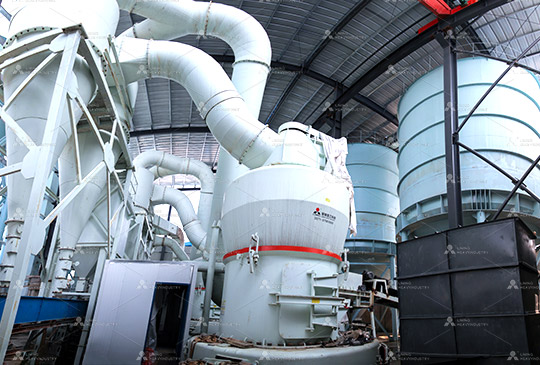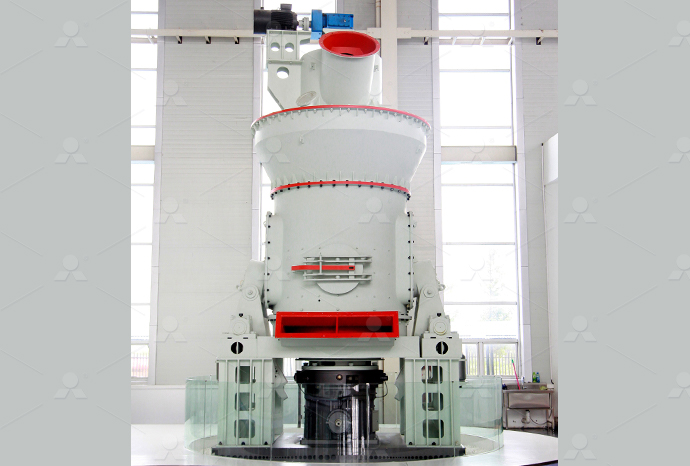
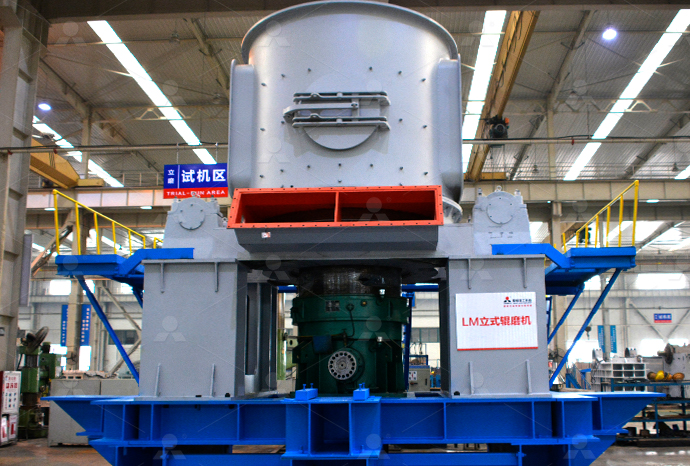
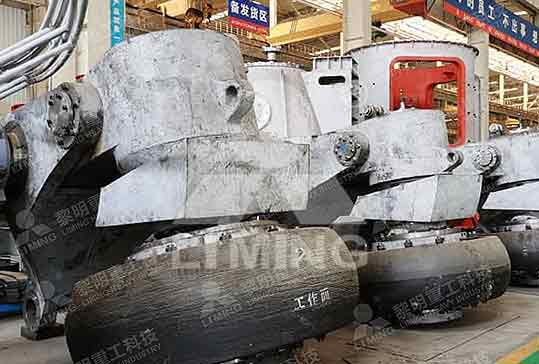
LM vertical mill adopts new milling device and automatic electric control system, integrating drying, grinding, powder selection and conveying together.



Input Size
30-55mm

Capacity
10-400T/H
cement, electricity, metallurgy, chemical, non-metallic mineral ore and other industries, focus on non-metallic minerals, coal and slag three major areas.
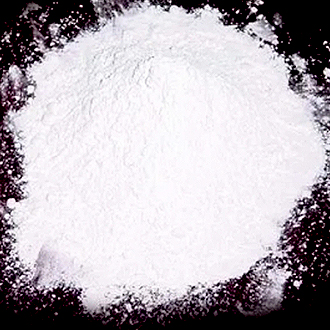
Calcium Carbonate grinding & processing
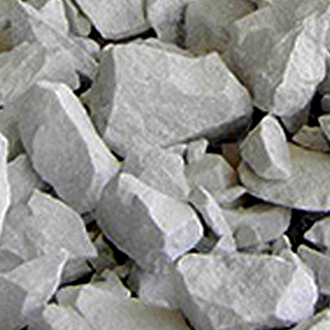
Heavy calcium carbonate mill
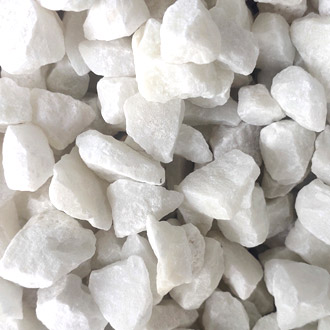
Dolomite Grinding Mill
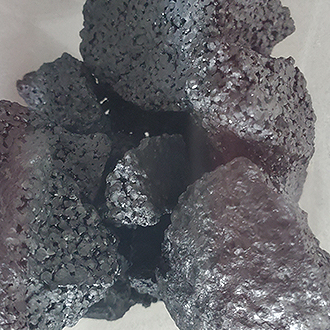
Barite Mill
Marble Dolomite Silica Stone Paper Carbon Black Slag
 1.Simple and reliable operation:
Limit device for preventing the direct contact between grinding roller and grinding table, to avoid the severe vibration of the mill caused by the collision between roller and tables; With hydraulic roller turning-out device, the grinding roller can be turned out of the machine completely to ensure enough maintenance space,which replace and repair easy-wear parts easily in a short time
2.High grinding efficiency:
grinding efficiency and low energy consumption, saving 40% -50% power consumption compared to ball mill.Special structure design of grinding roller and grinding table, large diameter of grinding roller, large grinding area, hydraulic automatic pressure device.
3.Stable product quality:
The material stays in the mill only for 2-3 minutes, and pollution of the finished product is small; The chemical composition and fineness of the product can be quickly determined and corrected, and the quality is stable.The product has a narrow particle size distribution, uniform particle shape, and good fluidity.
4.Low overall investment cost:
It integrates crushing, drying, grinding, powder selection and conveying into one, with simple process flow and compact layout.Small footprint, can be arranged in the open air, low construction cost.
5.Energy efficient:
Adopt fully automatic control system, can realize remote control, easy to operate。
6.Environmental protection:
The whole system is operated under negative pressure without dust overflow,and grinding roller grinding table does not directly contact during the grinding process, so the noise of whole system is low.
 Working Principle

The main motor drives the grinding table to rotate through the reducer, and at the same time, the wind enters the mill from the air inlet. The material falls through the screw feeder's discharge port and falls in the center of the grinding table. When grinding the roller table area, it is crushed by the grinding roller, and the bulk material is crushed directly, and the fine-grained material is extruded to form a material bed for inter-particle crushing. The crushed materials continue to move toward the edge of the grinding table until they are taken away by the strong air flow at the wind ring, and the larger granular materials fall back onto the grinding table to continue crushing. Under the action of the blade, the coarse particles are returned to the grinding table for grinding. Qualified fine powder is discharged with the air flow and collected by the system's powder collector. The collected powder is the product of the ultra-fine vertical grinding. When the iron and other debris mixed with the material move to the edge of the grinding table with the material, they cannot be blown up by the wind due to their own weight


Vibration or noise often comes from poor roller-bearing lubrication, tramp metal, unstable bed or abnormal hydraulic pressure. Check vibration and temperature trends, stop to inspect de-ironing and chamber for foreign objects, correct bed thickness and pressure, and contact the maker if it persists.
The LM Vertical Roller Mill hydraulic system applies and stabilizes roller pressure and lifts or drops rollers. Lifting eases maintenance access; in operation pressure is fine-tuned by bed thickness to optimize efficiency. The unit has accumulators to cushion shock, protecting rollers and bearings.
The LM Vertical Roller Mill suits dry grinding of non-minerals and cement raw meal; product fineness is usually 80–325 mesh, with some configs reaching 400 mesh (about 0.038 mm). Coordinated dynamic-analyzer speed and airflow stably yield uniform powder for building and chemical industries.
Metallic iron accelerates roller wear and can damage the mill, so the LM Vertical Roller Mill requires suspended separators and metal detectors upstream with periodic cleaning. Abnormal vibration and current monitoring can also detect tramp metal to protect core wear parts.
Qualified powder is captured by the bag collector and sent via rotary valve and air slide or pneumatic pump to the product silo. Negative-pressure operation ensures high recovery with no dust, and can link with homogenizing and bulk-loading for storage and sales.
The LM Vertical Roller Mill requires feed generally below 15 mm (varying by model); oversize raises grinding load and roller impact. Fit crushing and screening before the mill to remove debris for smooth, efficient operation and longer wear-part life.
RELATED CASE
 Request a quotation


Copyright © LIMING HEAVY INDUSTRY CO., LTD. All rights reserved Privacy Policy