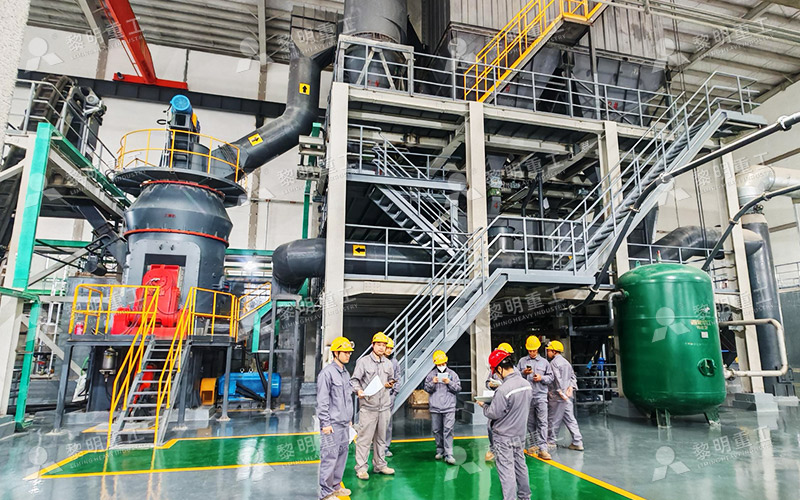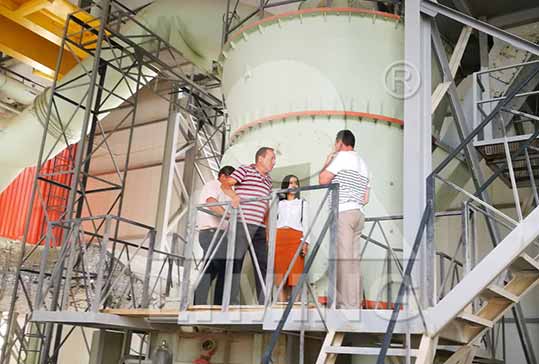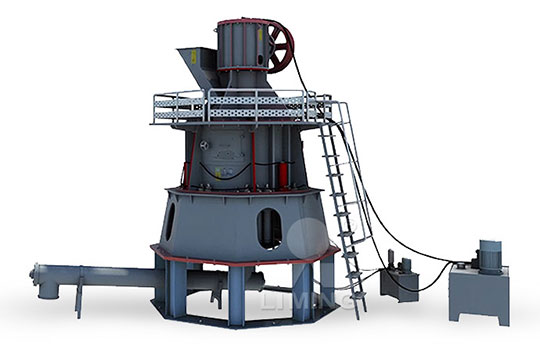
Straight-through centrifugal mill is used for coarse powder grinding. It can grind the materials that the hardness is below Mohs' class 7. Innovative design, fineness adjustable, energy saving, environmental protection.



Input Size
30-40mm

Capacity
15-50T/H
Straight-through centrifugal mill is used for coarse powder grinding. It can grind the materials that the hardness is below Mohs' class 7. Innovative design, fineness adjustable, energy saving, environmental protection.
Cement Clinker Grinding Mill
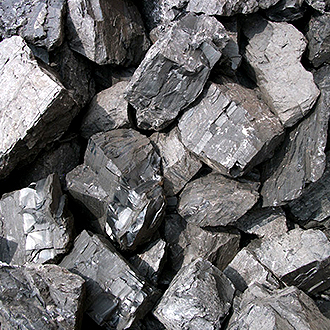
Coal Gangue Mill
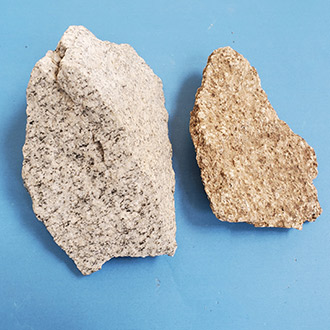
Marble mill
Heavy calcium carbonate mill
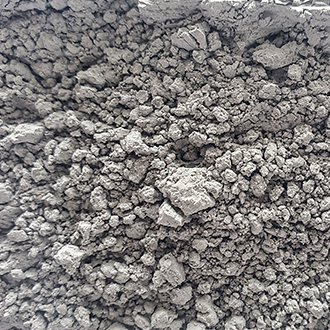
Marble Dolomite Silica Stone Paper Carbon Black Slag
 1.
1.
Lower investment, energy saving.
2.
Save electricity and save cost: The equipment is energy-saving and the investment is small. The milling system is simple to install with small land space, and the civil engineering investment is also low.
3.
Long spare parts lifetime: adopting the principle of material layer rolling and grinding and high alloy wear-resistant materials, the life of the grinding media (roller and liner) reaches 1 to 2 years.
4.
Easy to maintain and more environmentally friendly: Routine maintenance only requires refueling at regular intervals, with fewer failures and high operating rates; low noise, no fan effect, and basically no dust.
 Working Principle

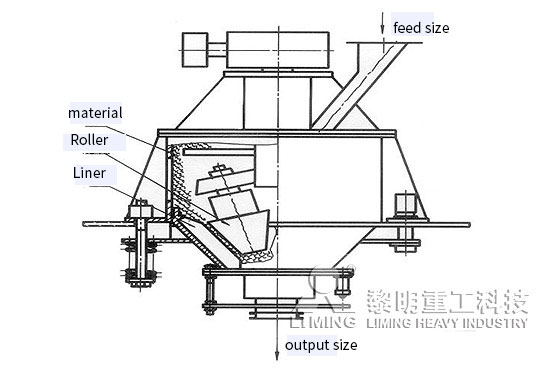
The straight-through centrifugal mill adopts the principle of medium-speed and medium-pressure, continuous and repeated material bed laminating and grinding. Materials go from top to bottom. Grinding and classification are performed separately. The upper part of the machine drives the main shaft to rotate, so that the roller wheel rotates in the ring cone lining (the gap between the roller and the lining can be adjusted without contact) . The material is fed from the upper feed inlet and falls by its own weight. Due to the interaction between the upper pusher and the lower plugging, the material forms a material layer between the roller and the lining plate. The material layer is repeatedly rolled and rolled into powder by the roller, and finally discharged from the lower part of the mill.

The direct‑centrifugal grinding mill relies on high‑speed impact and shearing force for comminution. It suits medium‑low hardness brittle materials with Mohs hardness ≤5, such as limestone, calcite, talc, bentonite, diatomite and charcoal. High‑abrasive hard ore and tough fibrous materials are not applicable. Feed moisture shall stay below 5% to avoid inner wall sticking and blockage with proper pre‑treatment for stable operation.
Direct‑centrifugal mill adopts impact crushing without roller‑ring compressing structure. It features direct air‑conveying discharge, light weight, small footprint and fast start‑stop response for medium‑fine powder. Yet it suffers heavy part wear on hard feed and cannot produce high‑mesh ultra‑fine powder. Ring‑roller mill works by compression‑grinding and excels at ultra‑fine powder. Select model based on target fineness and material hardness.
Complete‑set hourly output ranges from 0.8 to 11 tons. Its capacity is heavily determined by material brittleness. Soft brittle materials deliver high throughput, while harder feed or finer target fineness brings obvious output drop. Nominal capacity is based on standard soft‑material test. Conduct capacity test with real raw materials in project preparation to avoid improper model selection.
Main models are DC‑600, DC‑800, DC‑1000 and DC‑1250, numbers indicating rotor working diameter. Larger rotor delivers bigger crushing zone and higher capacity. Model selection focuses on material brittleness, target fineness and hourly output. This mill is highly sensitive to material hardness; hard feed leads to obvious capacity drop. Evaluate real‑feed condition instead of only nominal parameters.
Feed moisture content is recommended below 5%. As finished powder is conveyed by high‑speed air flow, high‑moisture powder sticks to grinding‑chamber and pipeline inner walls, forms scaling deposits, blocks air duct, weakens air volume and reduces output continuously. Do not feed wet materials directly. Apply airing or simple drying unit to bring moisture within process limit before production.
Adopting direct‑discharge structure, its powder fineness ranges from 80 mesh to 1250 mesh, adjusted jointly by main‑machine rotating speed, air flow and classifier assembly. Higher speed brings stronger impact‑shearing for finer powder; larger air volume produces coarser product. Limited by impact‑crushing principle, it hardly produces ultra‑high‑mesh powder and focuses on medium‑fine powder mass production. Actual fineness varies with material brittleness and feeding rate.
RELATED CASE
 Request a quotation


Copyright © LIMING HEAVY INDUSTRY CO., LTD. All rights reserved Privacy Policy