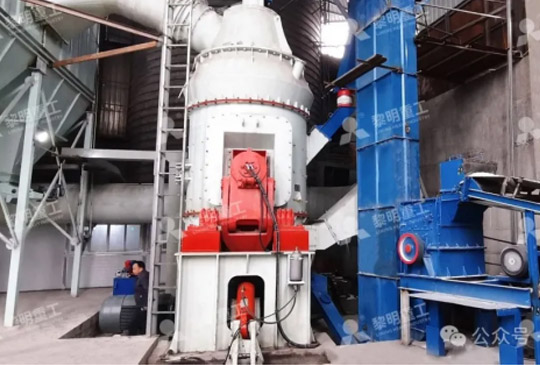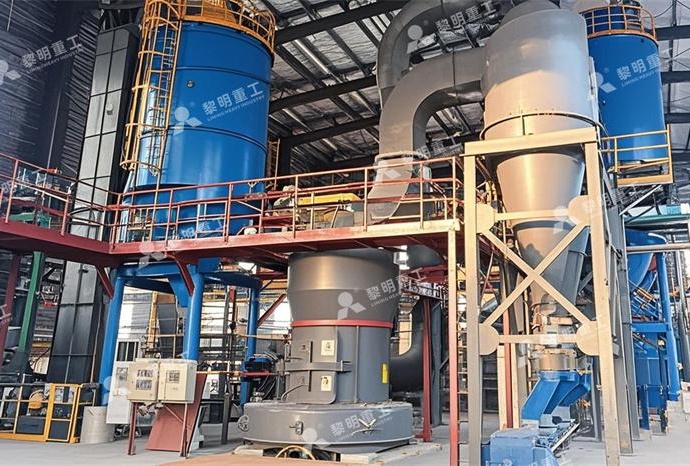
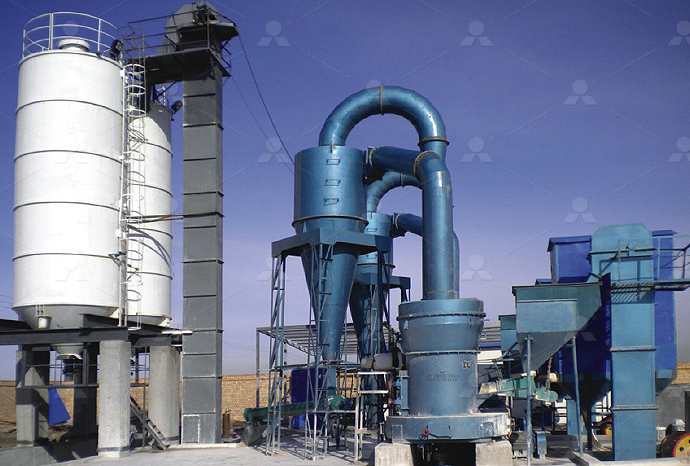
Raymond mill, widely used in minerals grinding process of metallurgy, building materials, chemicals, mining and other fields, is suitable for processing various non-flammable and non-explosive materials under 7 moth hardness and less than 6% humidity. The Output fineness is between 613μm ~ 44μm, which can meet the different user requirements.



Input Size
15-25mm

Capacity
1.2-4.5T/H
Calcium carbonate crushing processing, gypsum crushing processing, power plant desulfurization, non-metallic ore pulverizing, pulverized coal preparation.
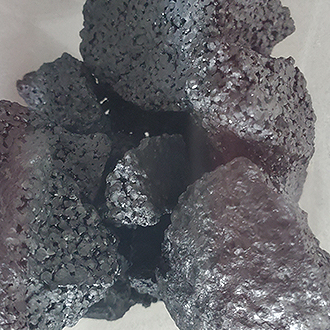
Barite Mill
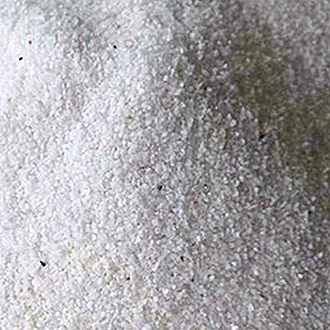
Silica sand processing plant
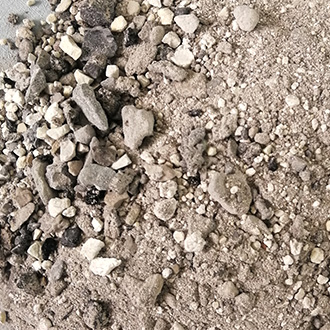
Slag Grinding Mill
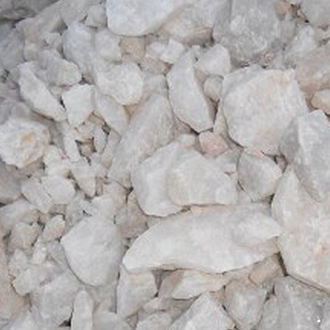
Quartz Stone Grinding Mill
Marble Dolomite Silica Stone Paper Carbon Black Slag
 1.
1.
Low loss and high fineness: tear and wear parts use high-quality wear-resistant materials, the serve life is more than a year, final fineness up to D97 ≤ 5μm at one time.
2.
With centralized control electrical system, the workshop can basically achieve unmanned operation.
3.
Easy to control and maintain, reliable operation. The core components adopt high-performance wear-resistant materials, high wear resistance, cost-saving.
 Working Principle

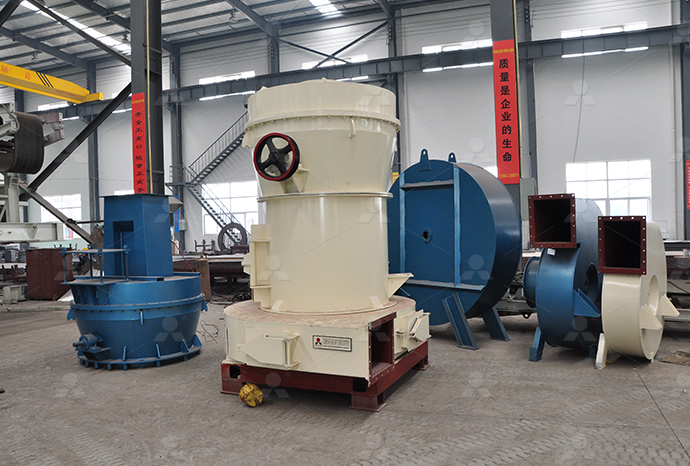
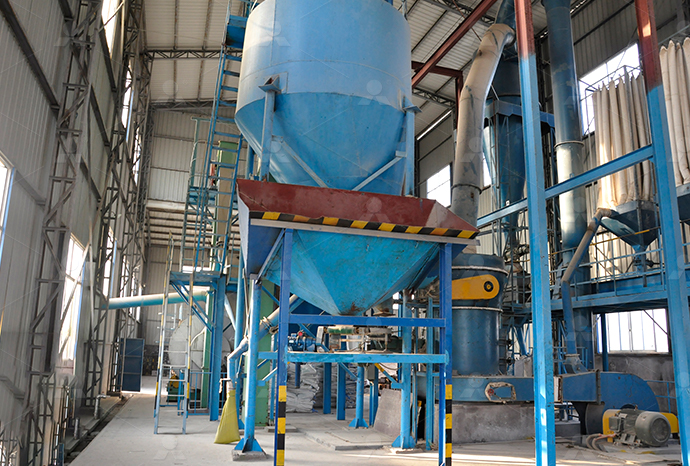
The whole structure of Raymond mill is composed of mainframe, separator, pipeline installation, blower, jaw crusher, hopper, electromagnetic vibrating feeder and electric control motor. The host of Raymond mill contains air volute, blade, grinding roller, grinding ring, shell and motor.Raw material is crushed by jaw crusher to the size required, then output products are elevated into a hopper from which the material is transported through the electro-magnetic vibrating feeder, evenly and continuously into the grinding chamber for powder processing.

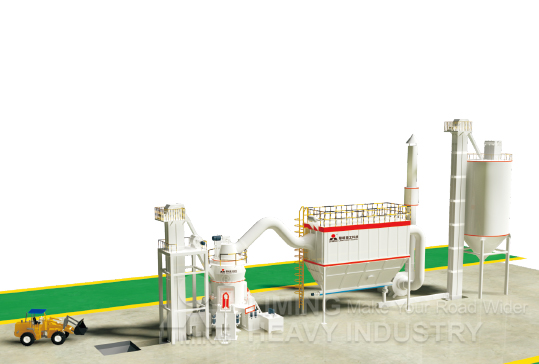
The Raymond Mill presses rollers against the ring by centrifugal force; the shaft drives scrapers to lift material while rollers revolve and spin to crush it. The main unit is driven by a reducer for smooth transmission. This spring-loaded design is simple and easy to maintain—the most widely used pendulum mill.
The Raymond Mill is simpler and cheaper, suiting small/medium scale and multi-variety changeover; the MTW European Type Trapezium Mill uses bevel-gear integral drive and thin-oil lubrication for larger capacity, lower energy and higher automation. Pick Raymond for budget and moderate output, MTW for scale and intelligence.
The Raymond Mill is ideal for non-flammable, non-explosive materials with Mohs hardness below 7 and moisture under 6%, such as limestone, calcite, dolomite, marble, gypsum, heavy calcium carbonate, bentonite, kaolin, bauxite, barite, talc and feldspar.
The Raymond Mill is grouped by roller count into 3R, 4R, 5R and 6R series with capacity from 1 to over 20 t/h. Small 3R suits labs and micro plants; the 6R exceeds 20 t/h. Select by material and target fineness.
Requires feed Mohs hardness below 7 and moisture under 6%. Excess hardness accelerates roller and ring wear; too much moisture causes sticking, blockage and lower analyzer efficiency. Pre-dry after crushing to a suitable moisture level.
The Raymond Mill offers adjustable fineness from 0.173 mm down to 0.044 mm, about 80 to 325 mesh, finest 0.038 mm (about 400 mesh). Its centrifugal analyzer gives uniform powder meeting building, chemical and coating industry requirements.
RELATED CASE
 Request a quotation


Copyright © LIMING HEAVY INDUSTRY CO., LTD. All rights reserved Privacy Policy