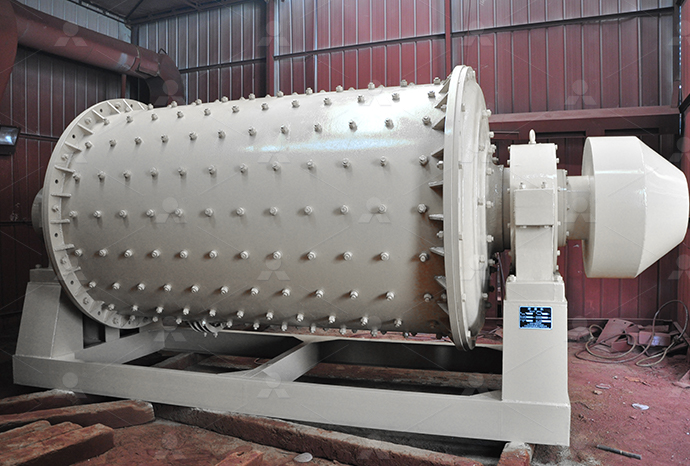
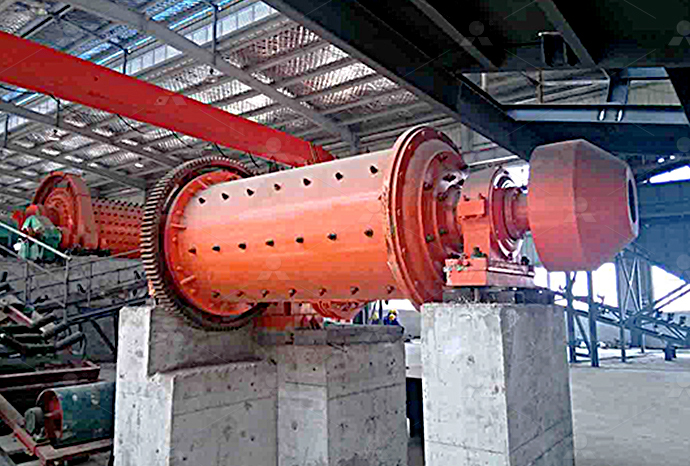
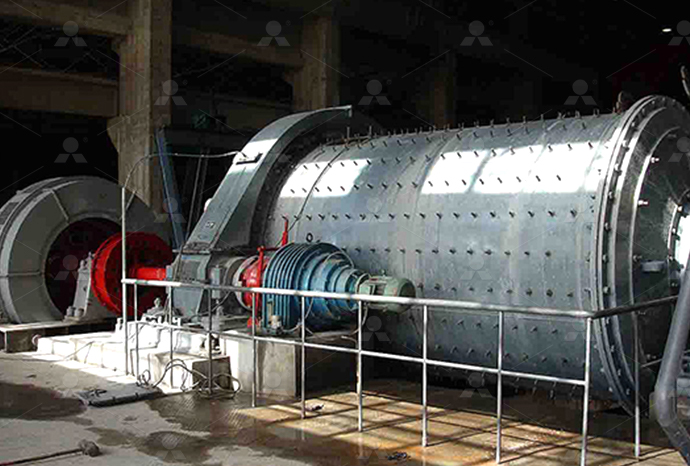
Ball mill is common used grinding plant in the industry, and it is key equipment used for milling after materials are crushed. It can grind all kinds of ores and other materials, which is widely used in beneficiation, construction and chemical industry.



Input Size
≤ 25mm

Capacity
0.65-50T/H
Cement, coal, power plant desulfurization, metallurgy, chemical industry, non-metallic mineral, construction material, ceramics.
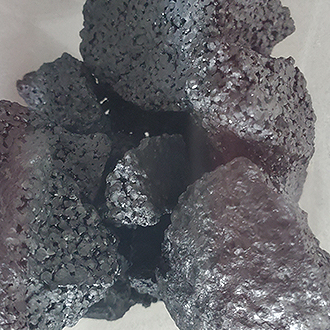
Barite Mill
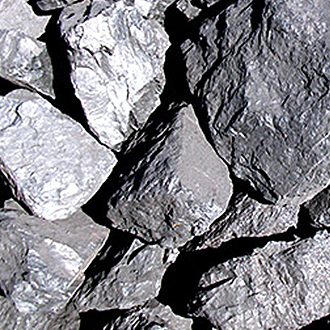
Coal powder plant
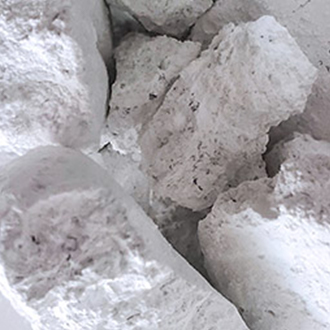
Kaolin mill
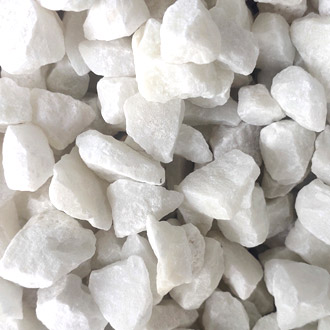
Dolomite Grinding Mill
Marble Dolomite Silica Stone Paper Carbon Black Slag
 1.
1.
Wide application: It has many types, so it is can be used in lots of industries, such as powder making industry and mineral dressing industry.
2.
High crushing ratio: The crushing ratio can reach 300 and the finess is adjustable.
3.
Large capacity: Ball mill can meet large scale mineral dressing production line.
4.
Stable performance: Structure novelty, easy and safe to operate, stable and reliable performance, obviously reducing the downtime.
5.
Lower investment, energy saving.
 Working Principle

The ball mill is a horizontal rotating device transmitted by the outer gear. The materials are transferred to the grinding chamber through the quill shaft uniformly. There are ladder liner and ripple liner and different specifications of steel balls in the chamber. The centrifugal force caused by rotation of barrel brings the steel balls to a certain height and impact and grind the materials. The ground materials are discharged through the discharging board thus the grinding process is finished.

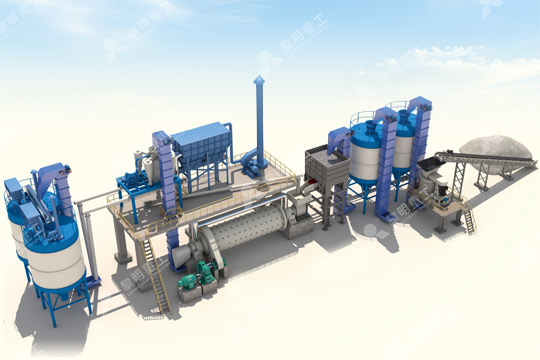
Grouped by shell diameter, capacity runs from 1 to over 100 t/h. A φ1.83 m mill makes about 3–15 t/h, a φ2.4 m mill about 8–35 t/h, and large φ3.2 m+ mills 30–100 t/h. Beneficiation, cement and bulk powder lines size the shell from the target output, and with the right config they reach rated capacity steadily. Before a large mill, check the crane and lift capacity on site. Grinding media are steel balls or rods; different materials and size distributions can be selected for the ore's hardness.
Dry grinding of limestone and similar non-minerals usually reaches 80–400 mesh (0.045–0.18 mm), stable and controllable with a closed-circuit analyzer; wet grinding goes finer. Fineness is governed mainly by ball grading, speed and classification, so with proper ball charge and analysis, cement, beneficiation and powder-processing size targets are all met. Going finer usually means adding a classifier or another route. Product fineness is controlled by grinding time and media gradation, reaching 325 mesh and finer. A ball mill can run 24 hours non-stop, matching the needs of large-scale continuous production.
High main-bearing temperature often comes from poor lubrication, dirty oil, low cooling water or overload. Check oil level/quality and cooling flow, clean filters, and reduce load if needed. Persistent high temperature requires shutdown to inspect shell contact and clearance, avoiding bearing burn.
The Ball Mill spins its shell to lift and cascade steel balls that impact and grind material. Compartment design splits coarse and fine grinding with diaphragms and screening for higher efficiency. Dry mode pairs with an analyzer circuit; wet mode with a classifier or hydrocyclone.
The maker offers installation guidance, training, remote diagnosis and follow-ups, with liners and balls stocked for fast shipment. An annual maintenance agreement lets the maker track data and warn early, securing continuous stable operation.
In cement plants the Ball Mill grinds raw meal and cement (clinker plus additives), often with a roller press pre-crusher and analyzer in a combined grinding system. Closed-circuit operation stabilizes specific surface area for different cement grades—a mature, reliable scheme.
RELATED CASE
 Request a quotation


Copyright © LIMING HEAVY INDUSTRY CO., LTD. All rights reserved Privacy Policy